May 29, 2026
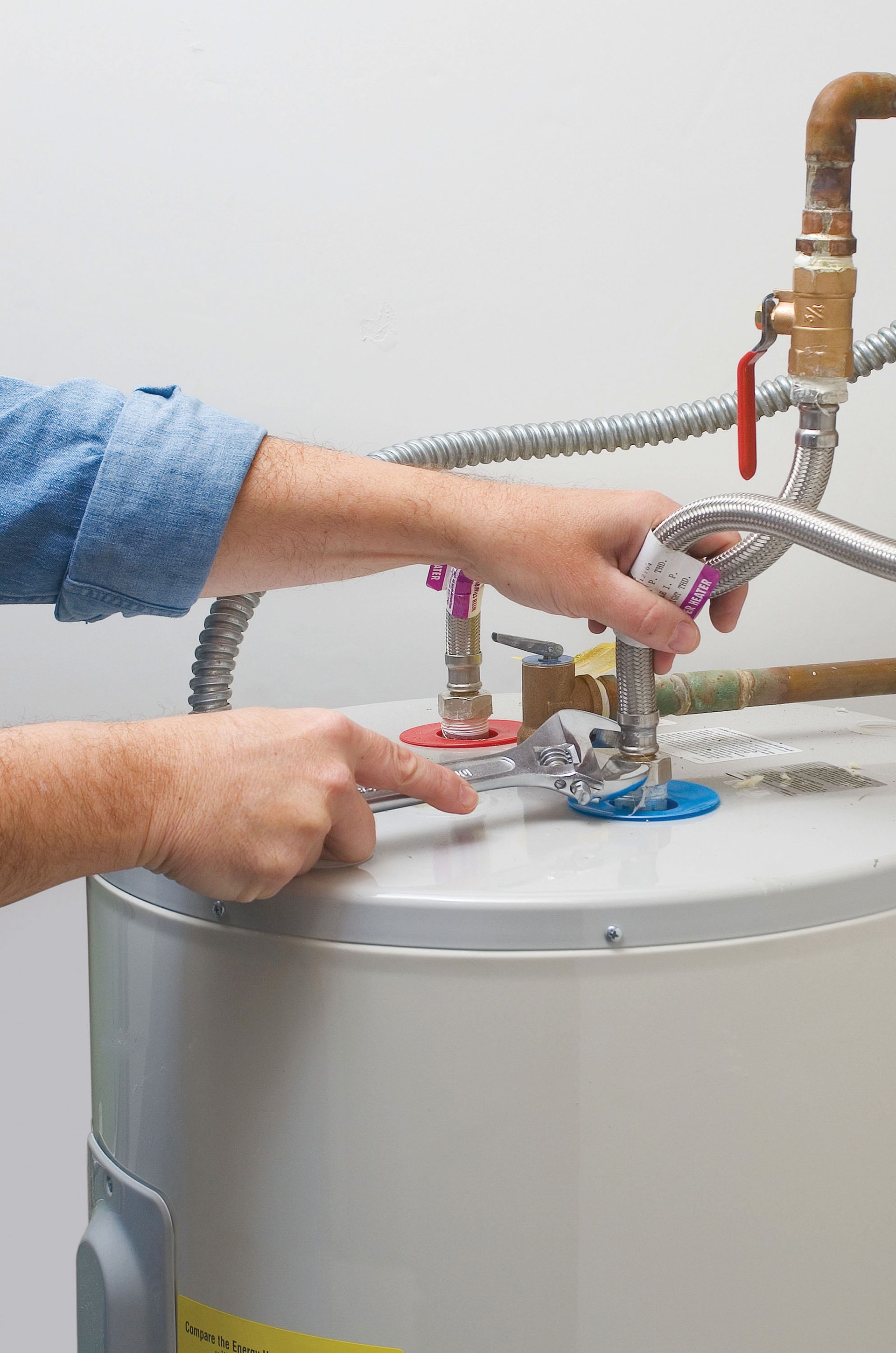
Modern household infrastructure relies on a network of hidden systems to provide comfort, sanitation, and convenience for daily routines. Among these essential utilities, the system responsible for heating water is arguably the most continuously active, running silently in the background to supply warm showers, clean dishes, and sanitized laundry. Because this hardware operates automatically, most property owners pay little attention to its mechanics until the sudden shock of an icy shower disrupts their morning. A sudden malfunction can bring household operations to an immediate halt, creating immediate stress and inconvenience for the entire family. In these moments, seeking professional water heater repair is the most reliable way to diagnose the underlying issues and restore your home’s essential comfort. Understanding the common mechanical vulnerabilities of these systems and how certified technicians resolve them allows you to protect your property from progressive structural damage.
1. Diagnosing Fluctuating Water Temperatures
One of the most frequent operational issues homeowners encounter is a sudden or progressive loss of hot water or inconsistent temperatures during usage. You might find that the water never gets warm enough, or that it runs cold after only a few minutes of use. In electric systems, this issue is often caused by a burned-out heating element or a faulty thermostat. Gas systems, on the other hand, may suffer from a compromised burner assembly or a damaged gas control valve. Additionally, a broken dip tube inside the tank can cause cold water entering the system to mix directly with the hot water exiting the tank, resulting in lukewarm delivery. Seeking professional water heater repair to address these temperature fluctuations ensures that technicians can systematically test each heating element, calibrate the thermostats, or replace a deteriorated dip tube. This targeted service restores consistent, reliable heat delivery, allowing your family to enjoy comfortable showers without sudden, chilling surprises.
2. Repairing Persistent Tank Leaks
Finding standing water or active dripping around the base of your utility tank is a serious warning sign that requires immediate professional evaluation. Water leaks can originate from multiple points, ranging from simple loose connections to severe internal structural failures. For example, a loose drain valve, a worn-out heating element gasket, or a failing temperature and pressure relief valve can allow water to drip down the exterior of the tank. While these localized leaks are relatively easy to repair by replacing the worn seals or valves, a leak originating from the tank shell itself is a far more critical issue. Over years of exposure to water pressure and minerals, the internal steel lining of the tank can corrode, developing deep cracks that allow water to escape. Because an internal tank fracture cannot be welded or patched, discovering a compromised shell means a full system replacement is necessary. Professional plumbers can pinpoint the exact source of the moisture, executing localized repairs when possible or guiding you through a seamless replacement process to prevent catastrophic flooding.
3. Eliminating Unusual Rumbling Noises
While a properly functioning heating system should operate with a quiet, low hum, an aging unit can begin to emit loud knocking, popping, or rumbling sounds during heating cycles. These disturbing noises are not just annoying; they are a direct indicator of heavy sediment accumulation at the bottom of the tank. As hard water is heated, dissolved minerals like calcium and magnesium solidify, settling to the bottom of the tank to form a thick, crusty layer over the heating elements or burner. When the system activates, water becomes trapped beneath this mineral crust, boiling rapidly and creating steam pockets that burst through the sediment layer to produce loud popping sounds. This mineral barrier forces the system to work significantly harder to heat the water, leading to severe overheating and premature metal fatigue. Scheduling professional water heater repair before the sediment layer hardens allows technicians to execute a thorough chemical flush and physical descaling of the tank, restoring quiet operation.
4. Resolving Corrosive Water Discoloration
Turning on a faucet only to see rusty, brown, or discolored water pour from the tap is a deeply unsettling experience that suggests active corrosion inside your plumbing system. When this discoloration only occurs when the hot water is running, the source of the rust is almost certainly located within your heating tank. To prevent the steel walls of the tank from rusting, manufacturers install a sacrificial anode rod that attracts corrosive elements in the water, corroding itself so the steel tank remains protected. However, these anode rods have a limited lifespan and will eventually dissolve completely, leaving the raw steel walls of the tank vulnerable to rapid rusting. A professional plumber resolves this issue by draining the system, flushing out any accumulated rust particles, and installing a new, high-quality magnesium or aluminum anode rod to restore corrosion protection, preventing sudden ruptures.
5. Analyzing National Plumbing Demands
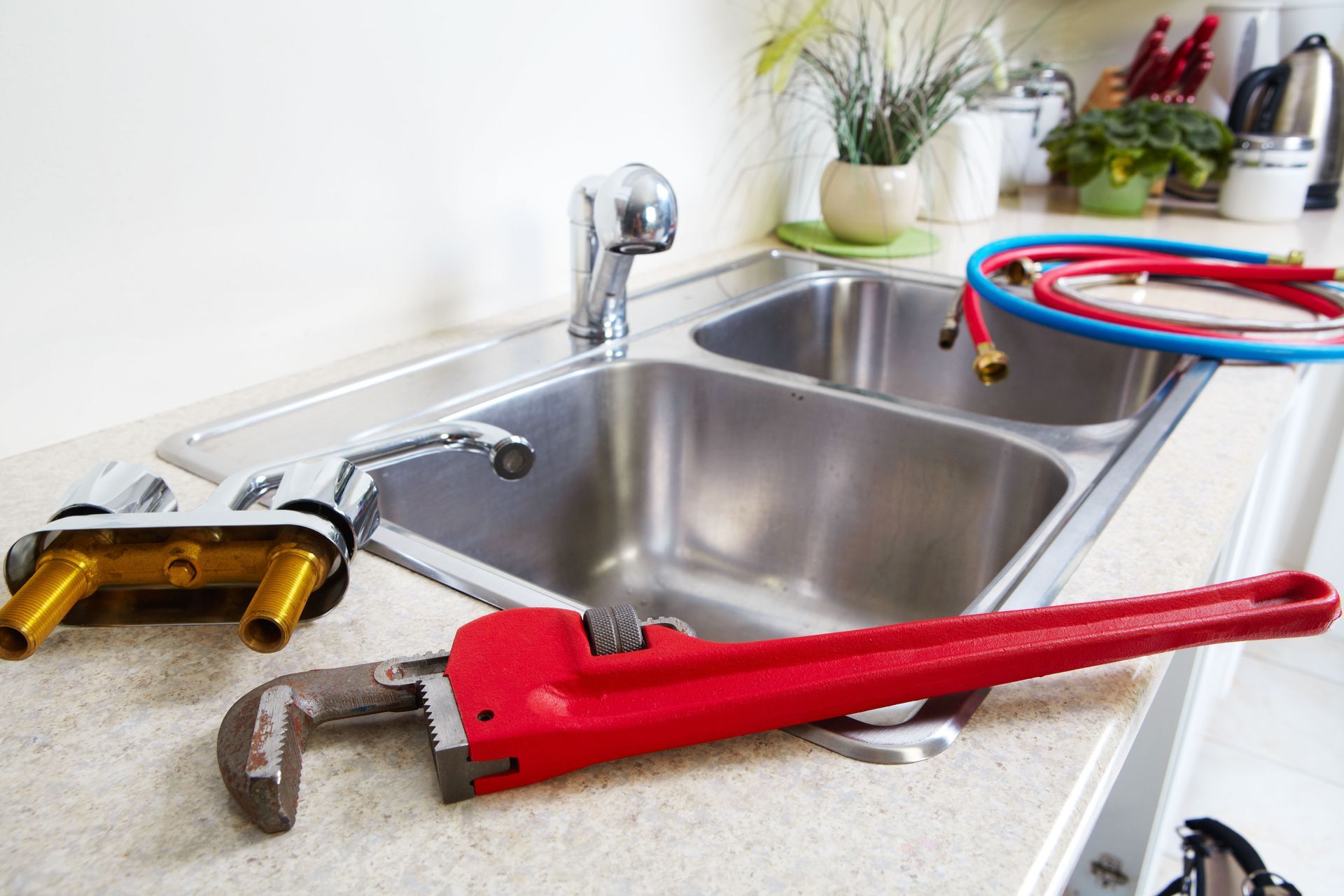
The continuous maintenance and repair of household utilities represents a massive portion of the residential service sector, reflecting how highly valued consistent hot water and clean pipes remain for modern homeowners. Because these systems are pressurized and constantly active, mechanical failures are common events that require expert intervention to resolve safely. According to Kitchen Infinity, one in 10 American adults has needed a plumber in the past year. This significant statistic highlights how frequently plumbing emergencies arise in households across the nation, with heating units being a primary driver of these urgent service requests. Seeking professional water heater repair is the safest option, as attempting to handle these high-voltage or high-pressure systems without professional training can lead to severe personal injuries, electrical hazards, or gas leaks. Relying on certified contractors ensures that your repairs comply with local safety standards, protecting your household and preserving the physical integrity of your home's infrastructure.
6. Replacing Deficient Pressure Valves
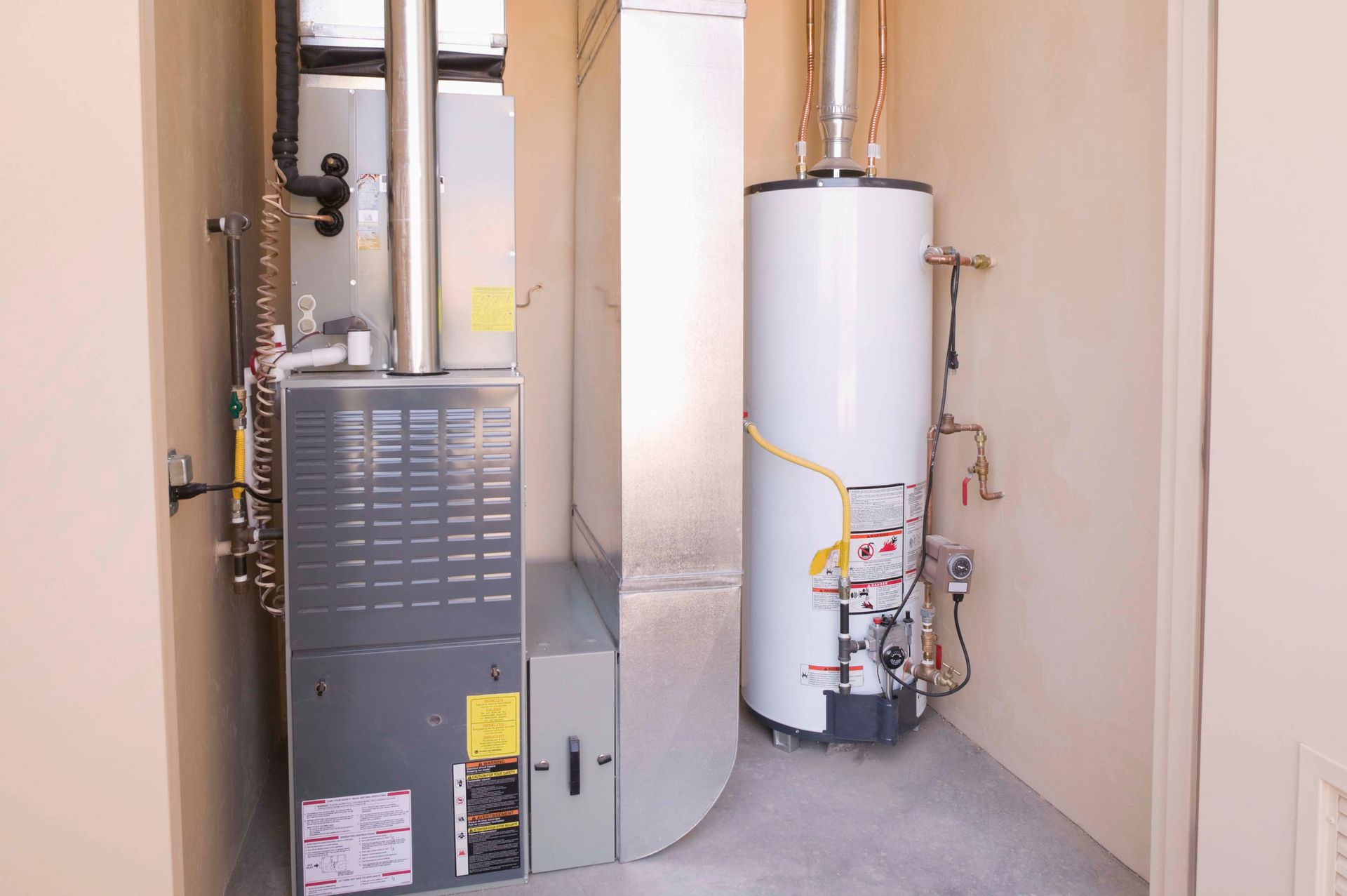
The temperature and pressure relief valve, commonly referred to as the T&P valve, is a critical safety device designed to prevent your heating tank from experiencing catastrophic structural failure. If the internal temperature or pressure within the tank rises past safe operational limits, this spring-loaded valve opens automatically to release excess water and steam, relieving the internal strain. However, mineral deposits can build up inside the valve mechanism over time, causing it to stick open and drip continuously, or worse, causing it to seize shut completely. A seized safety valve represents an extreme hazard, as a malfunctioning thermostat could cause the water to boil continuously, building immense pressure until the tank ruptures. During a routine water heater repair visit, technicians will manually test this safety valve to ensure it operates freely. If the valve is found to be leaking, corroded, or unresponsive, the plumber will replace it immediately with a new, factory-certified unit.
7. Restoring Faulty Ignition Pilots
For homes utilizing gas-powered systems, a consistent flame is required to heat the water inside the tank. When the pilot light goes out or the electronic igniter fails to spark, the system will immediately stop producing hot water, leaving your family with cold taps. Common causes of pilot light failures include a drafty utility room, a clogged burner nozzle, or a failing thermocouple, which is a safety sensor that detects the presence of a flame and shuts off the gas supply if the pilot goes out. If the thermocouple is covered in soot or misaligned, it will prevent the gas valve from opening, even if you attempt to light the pilot manually. Professional technicians can clean the burner assembly, replace a faulty thermocouple, and verify that the gas control valve operates safely. This specialized maintenance ensures that your system ignites reliably and burns cleanly, preventing dangerous gas accumulations in your utility space and restoring consistent warmth.
At Mid 10 Plumbing, we are dedicated to helping you maintain a safe, efficient, and reliable home environment by providing the expert
water heater repair services your family deserves. We recognize that plumbing issues can arise unexpectedly, which is why we handle every diagnostic and repair project with the highest standards of safety, transparency, and professionalism. Contact our experienced team today to schedule your system assessment and let us restore the essential comfort of your home.