November 12, 2026
Plumbing leaks are not always immediately noticeable. While some cause visible dripping or pooling water, others develop behind walls, beneath flooring, or around fixtures where they can go undetected. Recognizing the warning signs early can help homeowners address plumbing concerns before they lead to more extensive property damage or unnecessary water expenses.
For homeowners in Tennessee, keeping plumbing systems in good condition is important throughout the year. Seasonal temperature changes, aging pipes, shifting foundations, and everyday wear can all contribute to leaks. Knowing what to look for can help property owners determine when professional attention may be necessary. Understanding these five common signs can make it easier to recognize potential problems and arrange appropriate repairs.
1. Noticing Unexpected Increases in Water Bills
An unexplained increase in a monthly water bill may indicate a leak somewhere in the plumbing system. When water continues flowing through a damaged pipe, leaking fixture, or faulty connection, consumption can increase even when household routines remain unchanged.
According to the U.S. Environmental Protection Agency, household leaks can waste approximately 180 gallons of water each week for an average family, adding up to around 9,400 gallons annually. This demonstrates how seemingly minor plumbing problems can contribute to substantial water waste over time.
Homeowners should pay attention to unusual changes in their water expenses, especially when there has been no corresponding increase in usage. A dripping faucet may account for some wasted water, but larger concerns can develop when leaks occur in less visible locations.
Hidden leaks can be particularly difficult to identify because water may escape continuously without creating an obvious puddle. A professional inspection can help determine whether the increased consumption is related to a plumbing issue and identify the appropriate repair.
2. Detecting Damp Spots and Water Stains
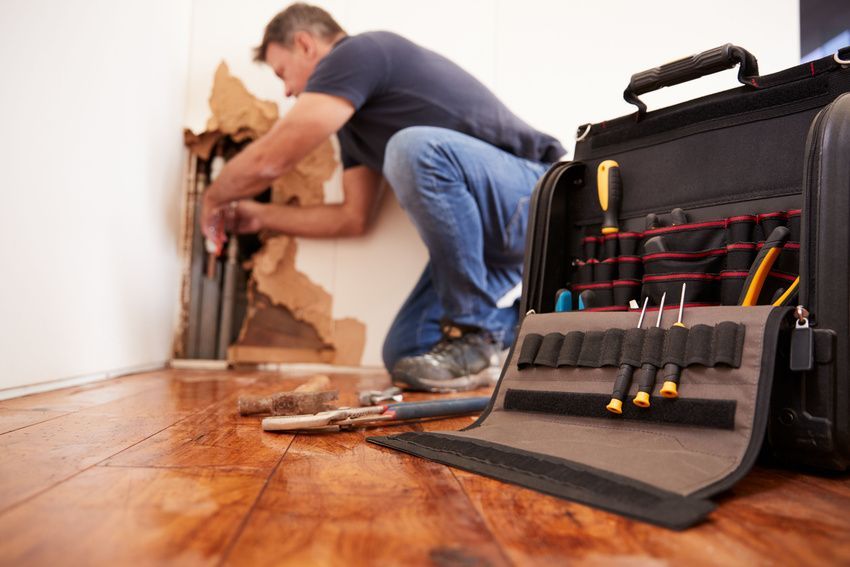
Discoloration on walls, ceilings, and floors can indicate that water is escaping from a nearby pipe or plumbing connection. These marks may appear as yellowish or brown patches, bubbling paint, peeling wallpaper, or areas where drywall feels unusually soft.
Ceiling stains can sometimes point to a leak from plumbing located on an upper floor. Similarly, discoloration around bathroom walls, kitchen cabinets, or laundry areas may indicate a problem with nearby water lines or connections.
Flooring can also reveal signs of moisture. Hardwood may begin to warp, laminate may swell, and carpet can develop damp areas without an obvious source of water. These changes should not be dismissed as ordinary wear, particularly when they appear near plumbing fixtures or appliances.
Experienced plumbing companies can evaluate these warning signs and help determine whether a pipe, fixture, or connection is responsible. Identifying the source is important because simply repairing the visible surface will not resolve the underlying issue.
Prompt attention can also help limit damage to surrounding building materials. When water continues entering walls or floors, it may affect insulation, wood framing, and other parts of the property.
3. Hearing Unusual Sounds Inside the Walls
Unexpected sounds coming from walls, ceilings, or floors may indicate a plumbing concern. Although pipes naturally make some noise as water moves through them, persistent dripping, hissing, or running-water sounds when fixtures are not in use can deserve further investigation.
A dripping noise behind a wall may suggest that water is escaping from a pipe or connection. Hissing sounds can sometimes occur when water passes through a small opening under pressure. Meanwhile, the sound of running water when no faucets, appliances, or other fixtures are operating may indicate an issue somewhere in the system.
The location of these sounds can provide useful information, although identifying their exact source is not always straightforward. Pipes may run through multiple rooms, ceilings, and enclosed spaces, making it difficult to determine where the problem originates.
Homeowners should pay attention to when the sounds occur and whether they continue even when water is not being used. Sharing these observations with a professional can help guide the inspection.
Qualified technicians have equipment and diagnostic methods that can help locate plumbing problems without relying solely on visible evidence. Addressing unusual pipe sounds early may help prevent a small leak from developing into a more significant repair concern.
4. Smelling Persistent Musty or Damp Odors
Unpleasant or musty smells can be another indication of a hidden plumbing leak. When water accumulates in enclosed areas, it can create damp conditions that encourage mold and mildew growth. These odors may become noticeable in bathrooms, kitchens, basements, laundry rooms, or other areas with plumbing connections.
A persistent smell that does not disappear after ordinary cleaning may indicate moisture trapped behind walls, beneath flooring, or inside cabinets. Homeowners may also notice that certain rooms feel unusually humid or that stored belongings develop a damp odor.
Not every musty smell is caused by a plumbing leak. Poor ventilation, roof problems, and exterior moisture can create similar conditions. However, when odors appear alongside water stains, peeling paint, or unexplained dampness, plumbing should be considered as a possible source.
Professional plumbing companies can investigate suspected leaks and evaluate the condition of pipes and connections in affected areas. If moisture has already contributed to mold growth, additional assessment and remediation may be necessary through appropriately qualified professionals.
Addressing the source of unwanted moisture is an important step toward protecting indoor conditions and preventing further damage to the home.
5. Experiencing Low Water Pressure or Changes in Water Flow
A noticeable reduction in water pressure can sometimes signal a plumbing leak. When water escapes through a damaged section of pipe, less may reach the intended fixtures, depending on the location and severity of the problem.
Homeowners may notice weaker flow from faucets, showers, or other plumbing fixtures. In some situations, pressure changes occur throughout the house. In others, the issue may affect only one bathroom or a particular section of the property.
It is important to recognize that leaks are not the only possible explanation. Mineral buildup, clogged fixtures, pressure regulator problems, and municipal supply issues can also affect water flow. A professional evaluation can help distinguish between these possibilities.
If reduced pressure occurs alongside damp spots, unusual sounds, or higher water bills, the combination of symptoms may make a hidden leak more likely. Plumbing companies can assess the system, identify potential problem areas, and recommend repairs based on the findings.
Taking these changes seriously can help homeowners address developing plumbing concerns before they affect additional parts of the system.
Even a relatively small leak can create problems when it continues over an extended period. Water can gradually damage drywall, flooring, cabinetry, insulation, and structural materials. In some cases, prolonged moisture exposure may also contribute to mold and mildew concerns.
Leaks can affect household expenses as well. Water that escapes through damaged pipes or connections still contributes to overall consumption, potentially increasing utility costs without providing any benefit to the household.
Tennessee homeowners should also consider seasonal conditions when monitoring their plumbing systems. Colder winter temperatures can increase the risk of frozen and damaged pipes, particularly in poorly insulated areas or spaces exposed to outdoor conditions. During warmer months, regular inspections can still help identify wear, aging connections, and other developing concerns.
Routine plumbing maintenance and professional inspections can identify concerns before they become disruptive. When comparing plumbing companies, consider experience, communication, and diagnostic capabilities. A qualified professional should explain the source of a suspected leak, recommended repairs, and next steps clearly.
Recognizing the warning signs of a plumbing leak is an important part of protecting a home. From unexplained water bills and damp spots to unusual sounds, musty odors, and reduced pressure, these symptoms can indicate that something needs attention.
Mid 10 Plumbing provides professional plumbing services for homeowners in Tennessee, helping address plumbing concerns and maintain essential household systems. Contact the team today to schedule an inspection and discuss your plumbing repair needs.